Everyone Comes to Venice for Caspersen Beach. Locals Know Better.
August 27, 2026
August 27, 2026
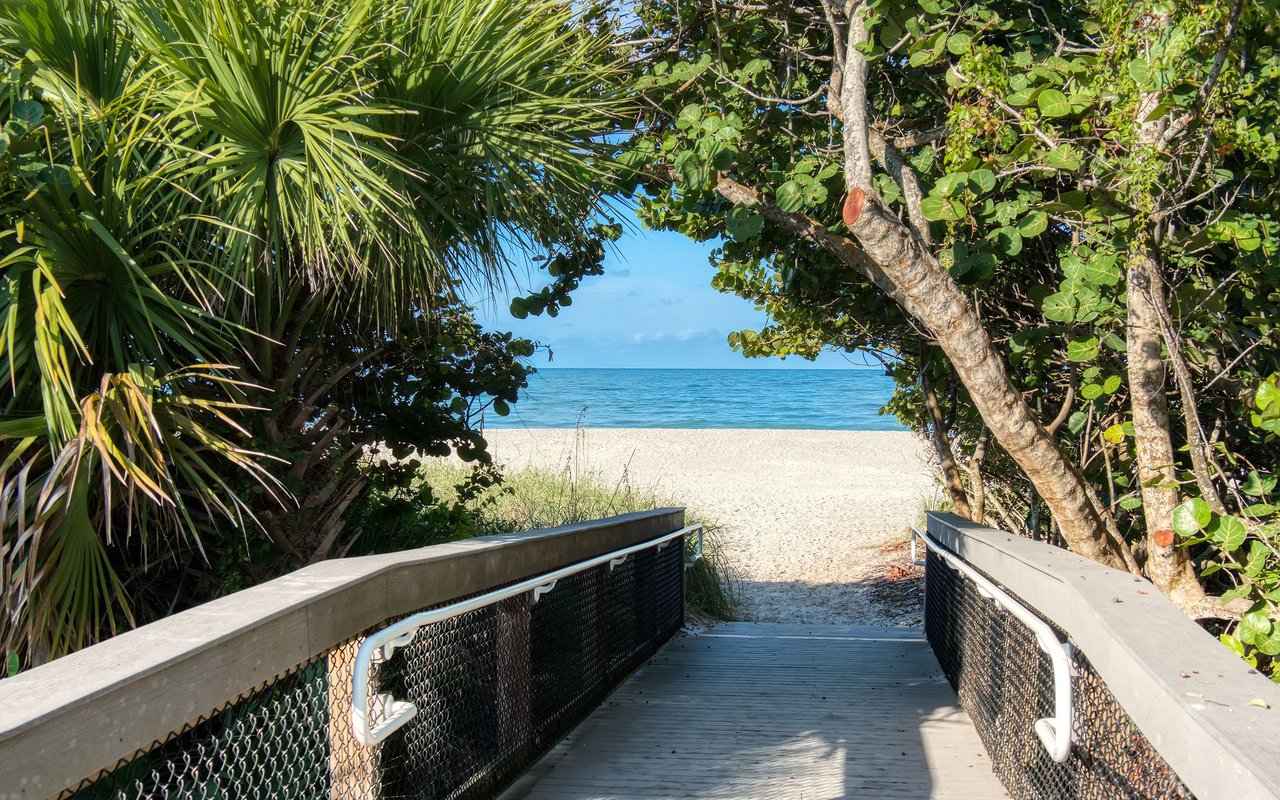
At seven in the morning, the stretch of sand at Caspersen Beach belongs to maybe a dozen people, heads down, moving in that slow half crouch that anyone who has hunted shark teeth recognizes on sight. By eleven, it belongs to a different crowd entirely: visitors posing next to the "Shark Tooth Capital of the World" signage, phones out, sifters borrowed for the afternoon. Both groups are technically doing the same thing. Only one of them is doing it well.
That gap between the beach's reputation and its actual daily rhythm is the thing worth understanding if you live here. Caspersen earned its fame honestly. But fame and productivity are not the same measurement, and anyone who has spent a few seasons working these beaches knows the difference between the spot everyone names and the spot that actually fills a bag.
The geology is worth knowing once, because it explains everything else. Venice sits above a phosphate-rich fossil layer, part of the Hawthorn Group, that runs roughly 18 to 35 feet deep starting about a half mile offshore. For millions of years, sharks living in the warm, shallow seas that once covered this part of Florida shed teeth by the thousands, and those teeth settled into the sediment and fossilized. Erosion and Gulf currents have been slowly delivering them to shore ever since, which is why divers can still pull megalodon teeth from an offshore area locals call the Boneyard, and why beachcombers can find smaller ones without ever getting wet.
Caspersen Beach is considered one of the most productive spots in Florida in part because its shoreline has never been heavily built up with imported sand, unlike more developed stretches of coast. That natural shoreline runs close to four miles, which is a real advantage. It is also exactly why so many people show up looking for the same dark, shell-heavy sand.
Here is the part that does not show up on the tourism-board page. If you measure a beach by total teeth ever pulled from it, Caspersen wins, easily. If you measure it by teeth found per person searching that morning, the math changes.
Manasota Key, the barrier island south of Venice reachable through Englewood or Manasota Beach Road, sits on the same fossil-rich stretch of coast. The southern end, where the key narrows toward Blind Pass, draws a fraction of the visitors that Venice's beaches do, while producing results that regulars describe as consistently competitive with anything found closer to town. The walk south from the Manasota Beach County Park lot takes about twenty minutes on flat sand, and that twenty minutes is doing real work: it is filtering out everyone unwilling to walk past the crowd.
Nokomis Beach, just north of Venice, offers a similar trade at a smaller scale. Teeth turn up there too, generally smaller and less concentrated than what Caspersen produces, but the beach itself is quieter, and tides and recent storms matter more than which beach you pick. And if you want a middle option without leaving Venice proper, Service Club Park Beach, tucked behind the municipal airport with its own parking and boardwalk, tends to draw a lighter crowd than the main Venice Beach stretch closer to the pier, while still sitting within an easy walk of the productive water near Caspersen.
None of this means Caspersen is a mistake. It means the question locals actually ask is not "which beach has the most teeth," but "which beach has the best teeth relative to the people standing in my way this particular morning." That is a different question, and it changes where you park.
Location only gets you halfway there. The other half is timing, and it is less mysterious than it sounds. Work the swash zone, the narrow strip where waves are actively breaking, for about an hour on either side of low tide. Look for a darker band of shell and grit near the waterline; fossilized teeth tend to be heavier and darker than the shell fragments around them, which is why they settle into that same band. A storm in the recent past is a good sign, since wave action does the work of exposing material that had been sitting undisturbed.
The tool of choice around here is what everyone calls the Venice snow shovel, a long-handled scoop with a screened basket that lets you sift sand without bending over every thirty seconds. You can rent or buy one at Papa's Bait Shop out on the Venice Fishing Pier at Brohard Park, and they are common enough locally that most Publix stores in town stock them too, which says something about how ordinary this hobby actually is here. Downtown, Earth Treasures on Miami Avenue and Meg Goddess Designs and Collective, a Venice MainStreet business partner known for its fossil and jewelry offerings, both cater to the same crowd, whether you are outfitting a first trip or looking to have a good find turned into something wearable.
It would be easy to assume the whole shark tooth identity is a marketing angle dreamed up for the tourism office, the kind of label a town adopts and then spends decades trying to live up to. The annual Sharks Tooth Festival argues otherwise. This year's edition ran April 11 and 12 at Centennial Park in downtown Venice, a short walk from the beach, with fossil vendors, live music, food trucks, and hands-on digs built for kids. It happens every spring, and it draws the kind of steady, multigenerational turnout that only shows up for something a community has genuinely adopted rather than merely tolerated. If you have lived here a while and never made it, next April is worth the walk downtown.
There is a small, satisfying piece of local history tucked into all of this. Caspersen Beach takes its name from the Caspersen family, and their historic residence, the Caspersen House, has been carefully renovated into Harbor Bistro and Lounge, now run by restaurateur Mino Candelora, who also owns the longtime local favorite Trattoria da Mino. So the beach named for a family and the family's actual former home, now serving modern American plates nearby, share more than a name. A morning spent sifting fossils on the beach that carries their name, followed by dinner in their old house, is about as complete a Venice afternoon as the town has to offer.
None of this requires a trip anywhere. It requires knowing which stretch of sand to skip on a Saturday morning, which shop keeps the sifters in stock, and which two weekends in April are worth clearing your calendar for. That is the kind of knowledge that only comes from actually living here, not from reading the plaque at the pier.
If you are already thinking about what else this stretch of the Gulf Coast has to offer, from Nokomis to Englewood to the rest of Venice, that kind of local detail is worth having on your side, whether you are settling into a neighborhood you already call home or helping someone else find theirs. Julie Shaw has spent years learning this coastline one detail at a time. If you would like to talk about what is happening in your corner of it, let's connect.
Stay up to date on the latest real estate trends.
Whether you're buying your first home, selling a luxury property, or relocating to Florida's Gulf Coast, Julie Shaw provides the strategic guidance, local expertise, and personalized service to help you move forward with confidence. Every client receives honest advice, clear communication, and a seamless experience from start to finish.